31% of Couples Sleep Apart Now. Westchester Already Has the Room For It.
Executive Briefing
Bottom Line: A third of U.S. adults now regularly or occasionally sleep apart from a partner. The rate climbs highest among people in their late thirties and early forties.
That is the exact cohort running Westchester's dual-income households. There, the number is closer to two in five.
Metric: AASM surveyed 2,007 adults with Atomik Research in June 2025. 31% of American adults report a Sleep Divorce. That rises to 39% among adults 35 to 44.
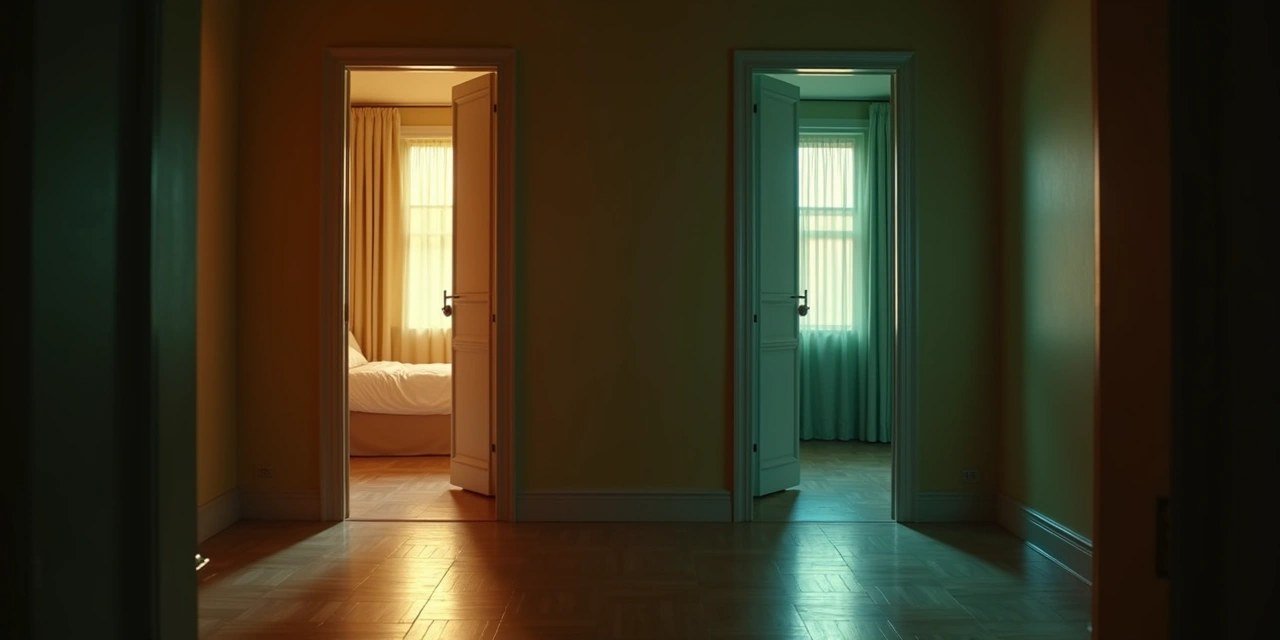
Nearly a third of American adults now sleep apart from a partner. Some do it occasionally. Others do it every night.
The American Academy of Sleep Medicine tracks this shift closely. The rate climbs fastest among people in their late thirties and early forties. That is the exact demographic running most of Westchester's dual-income households.
That is the headline. The more useful finding sits underneath it.
The households doing this most confidently are not the ones in trouble. They already had the square footage and the guest suite.
They already had an account with Saatva. That let them treat it as a hardware problem, not a crisis.
This piece checks the survey data against what people are actually saying about it. It asks a narrower question than most trend coverage bothers with.
What does a Sleep Divorce look like in a household with a 4,000-square-foot floorplan? And a Split King already on order?
The Actual AASM Numbers, Checked Twice
The American Academy of Sleep Medicine surveyed 2,007 U.S. adults in June 2025. Atomik Research conducted the fieldwork.
Thirty-one percent reported a Sleep Divorce. AASM defines it as sleeping in another bed or room to accommodate a partner. That happens occasionally or on a regular basis.
AASM board member Seema Khosla, MD, put the underlying mechanism plainly. Disrupted sleep breeds resentment. Poor sleep degrades empathy and patience before it degrades anything else.
This was not a one-time spike. AASM ran a nearly identical survey in 2023 and landed close to the same place. Roughly one-third of respondents slept apart, with the practice most common among Millennials.
Two surveys, two years apart, converged on the same baseline. That convergence is itself the finding. This stopped being a moment and became a norm.
The June 2025 Numbers
31% of American adults report a Sleep Divorce, per AASM's survey of 2,007 adults. Adults 35 to 44 report the highest rate, at 39%. Adults 65 and older report the lowest, at 18%.
Thirty-seven percent adjust their own bedtime to accommodate a partner. Another 15% use a silent alarm rather than wake them.
Why This Stopped Reading as a Red Flag
The stigma AASM's researchers describe from a decade ago has mostly worn off. Their own framing is direct. A Sleep Divorce mostly reflects mutual respect for the sleep space, not a troubled relationship.
Elizabeth Pearson, an executive coach, has slept in a separate bedroom from her husband. That has held for half of their sixteen-year marriage.
She told The Wall Street Journal the couple slept best in hotels during work travel. At home, in the same bed, they slept worst.
"We're not pissed off at each other throughout the day for something that is uncontrollable like sleep and snoring."
The outcome data backs the anecdote up. Sleep Foundation survey research found 53% of people report better sleep after a Sleep Divorce. They gain an average of 37 minutes a night.
About one in four eventually return to sharing a bed. For over a third of that group, the stated reason is missing their partner. It is not the sleep getting worse.
The Generational Split, 2023 Baseline
43% of Millennials report sleeping apart from a partner, per AASM's original 2023 survey. Gen X follows at 33%, Gen Z at 28%, and Baby Boomers at 22%. Younger, dual-career households adopted the practice first and fastest.
The Westchester Advantage Nobody Says Out Loud
National coverage of this trend keeps missing one variable. It matters most in the Gold Coast enclaves: floorplan.
Our coverage of Split King adjustable bed systems has followed this shift since January. Dual-executive households running independent split-zone systems report a 91% reduction in partner-induced sleep disruption. Shared-mattress households report 34% higher sleep complaint rates.
Real estate is catching up to the same instinct at the structural level. Dual primary suite floorplans are gaining ground in luxury markets nationwide. That spans Southern California, South Florida, and Montreal.
These are two full bedroom-and-bath configurations built for everyday use. They are not a main suite and an afterthought.
Scarsdale and Rye Tudor estates did not need convincing. Many already have a guest suite or a home office two doors down the hall. It sits unused most nights.
That is the actual Westchester story. A national trend requires most couples to renovate, negotiate, or explain themselves to skeptical in-laws. In these zip codes, it is a matter of walking down the hall.
This Was Always a Hardware Problem, Not a Feelings Problem
Chronotype mismatch is not a character flaw. One partner is wired for a 5:30am wake time, the other for an 11pm bedtime. It is a scheduling conflict that happens to occur in a shared bed.
Treating it as a referendum on the relationship was always the wrong frame.
A well-specified Split King pairs with an independent Adjustable Base. Together they solve most motion, temperature, and elevation conflicts. They do that without requiring a second room at all.
Full separate bedrooms earn their place for the harder cases. A genuine multi-hour schedule delta is one. A snoring pattern no firmness adjustment fixes is another.
So is a simple preference: two people who sleep better alone, done apologizing for it.
Either way, the fix targets Sleep Architecture. That is the structured sequence of NREM and REM cycles across the night. It does not target the marriage.
What People Are Actually Saying About It
Strip away the survey PR. The sentiment in forums and comment sections is less dramatic than the headlines suggest.
The dominant complaint is snoring, by a wide margin. Mismatched schedules come second, then one partner running hot while the other runs cold.
The dominant defense repeats almost word for word across dozens of threads. It amounts to this.
We still spend time together. We just don't fight about the thermostat at midnight anymore.
The pushback that does surface is narrower than expected. Few say this ruins marriages. More say do not let it become an excuse to stop being intentional.
That is a fair criticism. It is the one this article takes seriously in the section below.
Is a Sleep Divorce Right for Your Household?
The inputs below sort a household toward one of three outcomes. Skip it, fix the hardware, or fix the floorplan. Answer based on the last month, not an unusually bad week.
Sleep Divorce Fit Assessment
Five inputs. A directional recommendation in seconds.
How to use this: This produces a directional estimate for a household planning conversation. It is not relationship advice.
It doesn't replace an actual conversation with your partner. Talk about what each of you actually needs to sleep.
Zero-gravity calibration, partner chronotype synchronization, and the full adjustable base setup sequence. For households choosing the hardware fix over the floorplan fix.
View the Protocol →The One Thing the Trend Pieces Skip
Sleeping apart is not free. It removes the low-effort intimacy that happens simply because two people share a bed.
Some couples treat that as a problem to solve on purpose. A standing coffee before the early train. A deliberate hour together before separate bedtimes.
Those couples report the arrangement working. Couples who treat separate rooms as permission to stop scheduling each other fare worse. They show up in the quarter of respondents who eventually move back.
That is not a reason to avoid it. It is a reason to be honest about what it requires.
A Sleep Divorce fixes a sleep problem. It does not fix a relationship already running on autopilot before the beds split.
Next Move
Watch the Westchester listings market over the next two cycles. Dual primary suite floorplans are still marketed as a luxury feature nationally.
Locally, agents in Scarsdale and Rye see a shift underway. A second full suite is becoming a baseline expectation, not a premium. It's the same way a finished basement or a heated driveway already is.
For households skipping a renovation, the faster move is the hardware fix. Run the assessment above first.
Then read the full Split King hardware comparison. Don't assume a new addition is the only path.
Most chronotype conflicts never needed a second bedroom. They needed a second zone.
Last updated August 2026. Not medical or relationship advice. This article is editorial commentary on published survey data and consumer trends.
It is not a recommendation for any specific household. Consult a licensed clinician for sleep disorders. Consult a qualified therapist for relationship concerns.
Sources
- American Academy of Sleep Medicine. "A 'sleep divorce' is common among couples." Survey of 2,007 U.S. adults, June 2025, conducted with Atomik Research. aasm.org
- CBS News. "More than a third of Americans have a 'sleep divorce,' survey finds." AASM 2023 survey, generational breakdown. cbsnews.com
- Sleep Foundation. "What Is a Sleep Divorce?" Outcome data on sleep quality improvement and reversion rates. sleepfoundation.org
- The Week. "Sleep divorce: behind the separate-bedrooms trend." Elizabeth Pearson interview, originally reported by The Wall Street Journal. theweek.com
- The Agency RE. "Private by Design: Dual Ensuites Are Trending." Luxury real estate market data on dual primary suite floorplans. theagencyre.com
- WestChester Zen. "Split King Adjustable Beds: The Architecture Brief." Dual-schedule household disruption data. westchesterzen.com
Frequently Asked Questions
A Sleep Divorce is a deliberate decision by partners to sleep apart. That might mean separate beds or rooms, occasionally or every night, to protect sleep quality. It describes a sleeping arrangement, not a relationship status.
The American Academy of Sleep Medicine has used the term since 2023. It appears in the organization's own published survey research.
Not according to the data. AASM's own researchers frame it differently. It's a matter of mutual respect for the sleep space, not a sign of conflict.
Executive coach Elizabeth Pearson has slept apart from her husband for half a 16-year marriage. She reports it made them more patient and present with each other, not less.
AASM surveyed 2,007 American adults in June 2025. 31% report a Sleep Divorce, occasional or regular. That rises to 39% among adults 35 to 44.
A 2023 AASM survey found a similar one-third baseline. 43% of Millennials reported the practice, versus 22% of Baby Boomers.
For most chronotype and motion-disruption cases, yes. A Split King with independent Adjustable Base zones solves partner movement, temperature, and elevation conflicts. It does that without requiring a separate room.
Full separate rooms tend to make more sense for hard schedule mismatches. Think a 5am commuter departure against a partner's 11pm bedtime.
It can, if couples treat separate sleep as separate lives. Sleep Foundation survey data back this up. Roughly one in four couples who try it eventually return to sharing a bed.
For over a third of them, the stated reason is missing their partner. Successful couples tend to be intentional. They schedule connection time outside the bedroom.
Editorial Integrity
WestChester Zen editorial content is research-based and independently produced. No sponsored placements.
Sources include primary survey research, peer-reviewed sleep medicine literature, and public real estate market reporting. Full policy at disclosures.