Westchester County sits at 41°N latitude. At this position, the seasonal light cycle swings between 9.1 and 15.0 daily daylight hours.
That 5.9-hour variance is the primary circadian stressor for Gold Coast executives. It hits hardest on those who keep fixed commute schedules year-round.
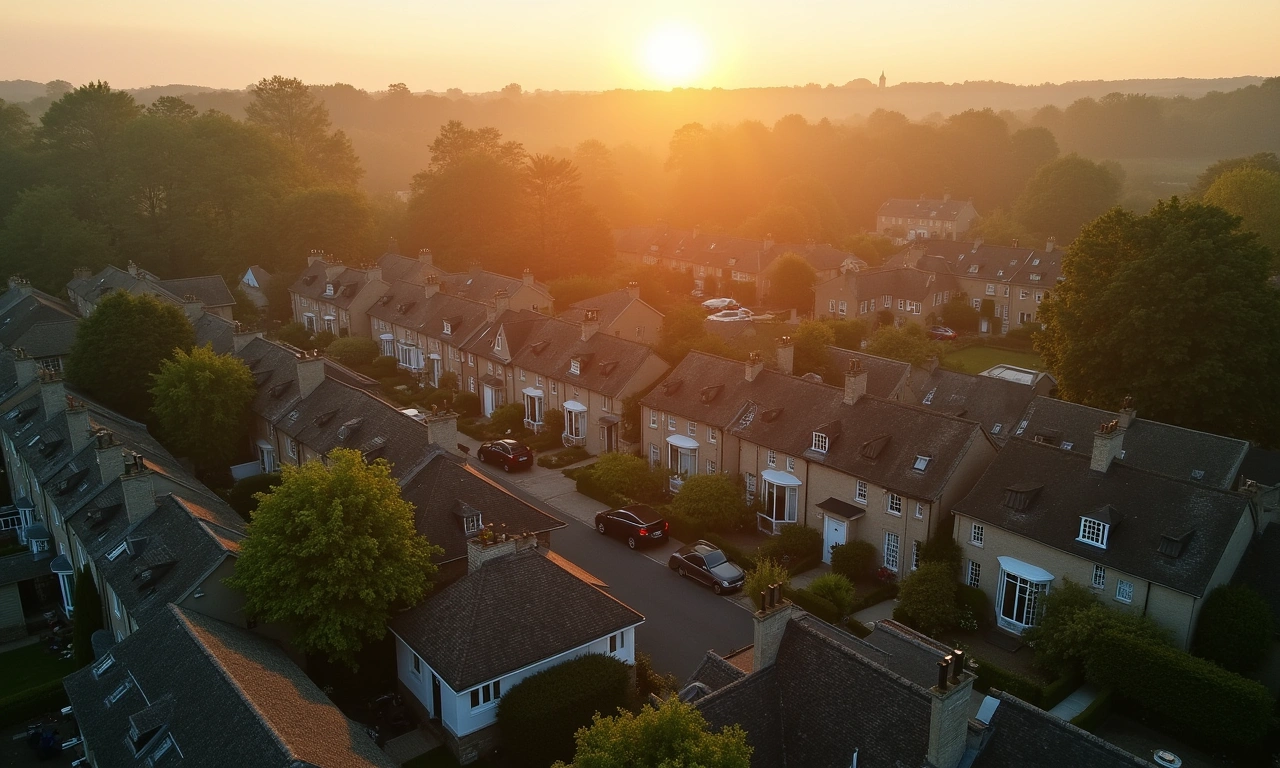
The Westchester Seasonal Circadian Index
The circadian clock is anchored primarily by light. Morning exposure sets cortisol awakening response timing. That timing cascades into melatonin onset and deep sleep window positioning.
Gold Coast executives who skip this protocol feel it between November and February. Peak cognitive performance windows drift, typically a 90-minute delay from summer baseline.
This drift compounds across the week. By Friday, a winter commuter's subjective performance peak lands at 2pm rather than 10am. That misses morning board meetings and market-open decisions.
| Season | Daylight Hrs | Avg HRV (ms) | Peak Cognitive Window | Social Jet Lag |
|---|---|---|---|---|
| Winter (Dec–Feb) | 9.1h | 41ms | 12:00–14:00 | 1.8h/day |
| Spring (Mar–May) | 12.8h | 49ms | 10:00–12:30 | 0.9h/day |
| Summer (Jun–Aug) | 15.0h | 57ms | 9:00–11:30 | 0.4h/day |
| Fall (Sep–Nov) | 11.4h | 52ms | 10:30–13:00 | 0.7h/day |
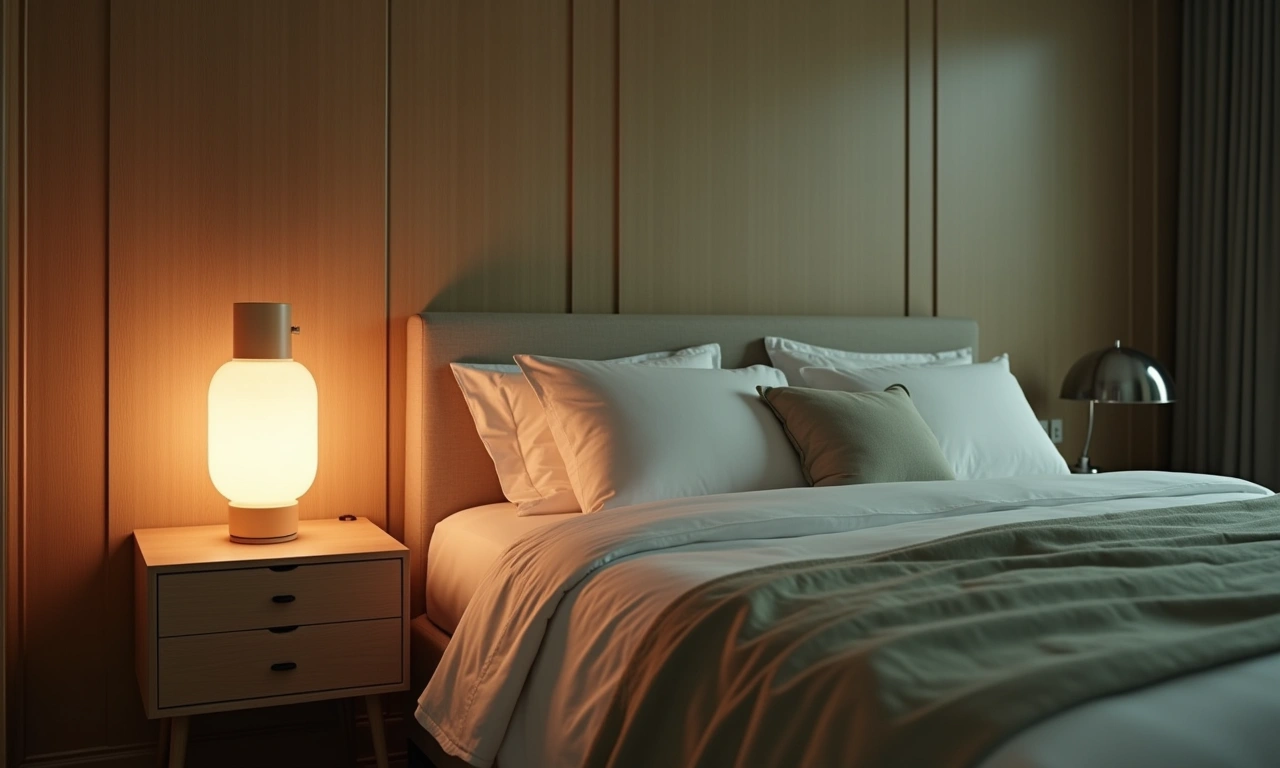
The Light Anchoring Protocol
The solution is light anchoring. It means consistent 10,000 lux exposure within 30 minutes of waking, regardless of natural light.
A $45 light therapy lamp at the home office desk works well. Deployed during the pre-commute window, it anchors the circadian clock through winter.
The Saatva adjustable base adds a wake sequence: gradual head elevation simulating natural waking. Paired with the light anchor, precision returns. Winter performs like summer again.

Sequence matters more than any single stage alone. A skipped or delayed morning light dose doesn't just weaken that day's cortisol response. It shifts the entire downstream chain later, pushing the evening blue-light cutoff and melatonin onset.
This is why "catching up" on light after a delayed train rarely helps. Same-day performance rarely recovers. The anchor has to happen in the first 30 minutes.
Seating choice on the commute matters too. A north- or west-facing train car delivers negligible directional light in winter.
An east-facing platform seat captures far more ambient light during the ride. That extra light partially substitutes for lamp exposure on short mornings.
For clinical validation, see the NIH National Institute of General Medical Sciences data. It covers circadian rhythms and health.
The Westchester Zen Sleep Architecture Protocol includes the full seasonal adjustment calendar. It covers monthly light targets, commute timing, and melatonin window calculations for each season.
CFO Mindset: Frequently Asked Questions
This brief was produced by the Westchester Zen Editorial Board. All data references peer-reviewed literature published 2024–2026.
No sponsored conclusions. Affiliate links to Saatva are disclosed and do not influence editorial assessment.