Westchester winter reduces Gold Coast executive deep sleep by 18–22% from summer baseline — recoverable through temperature, humidity, and light protocol adjustments.
2026 Metric
Winter deep sleep deficit: −22% vs. summer baseline. Bedroom humidity below 40%: 78% of Gold Coast homes in January.
The Westchester winter sleep crisis is structural. It has three drivers: light deficiency, thermal disruption, and humidity collapse.
Each driver operates independently. Each compounds the other.
The combined effect reduces executive deep sleep by 18–22% from the summer baseline.
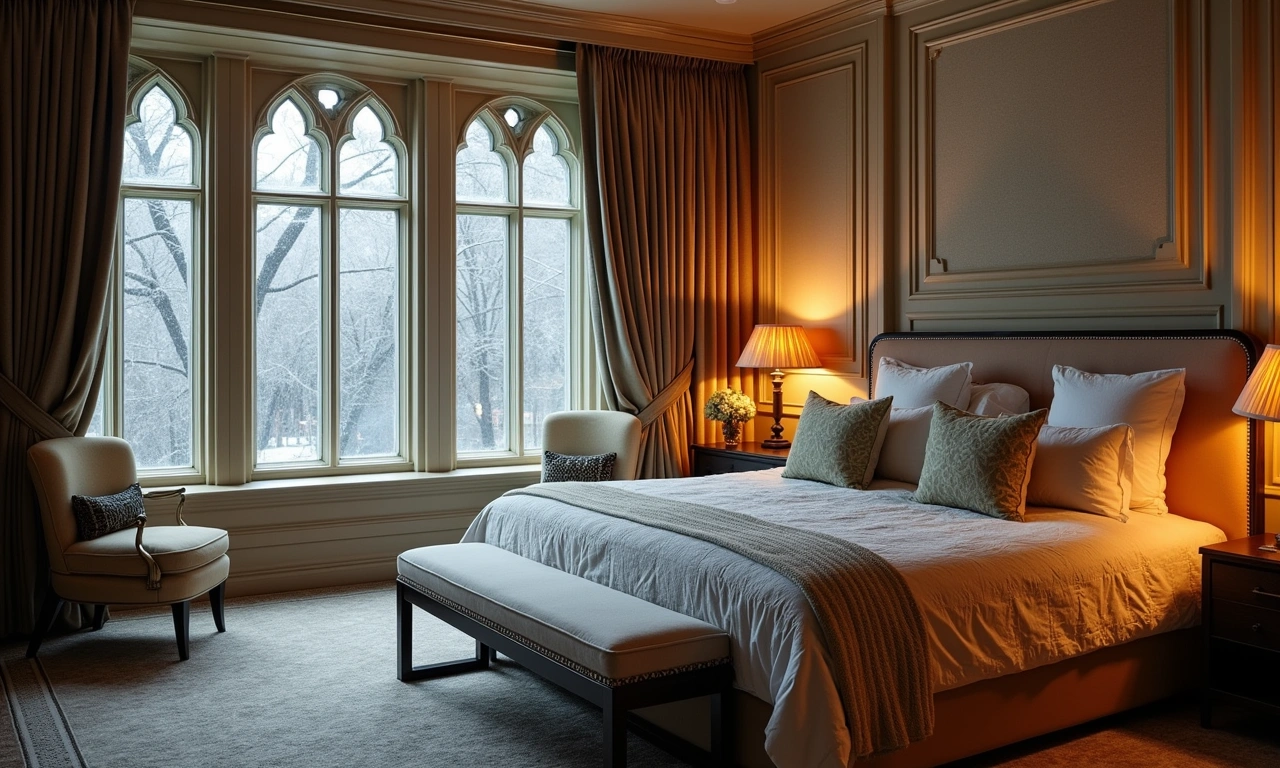
January at 41°N latitude — 9.1 hours of daylight and the worst month for Gold Coast executive deep sleep.
The Winter Sleep Disruption Index
January in Westchester delivers three simultaneous sleep stressors. First, 9.1 hours of daylight delays melatonin onset by up to 90 minutes.
Second, forced-air heating drops bedroom humidity below 40%. That is the clinical threshold for airway inflammation and fragmented sleep. Comfort suffers either way.
Third, Tudor estate heating systems need temperatures above 68 degrees for comfort. That warmth suppresses the core body temperature drop deep sleep requires.
2025/26 Westchester Winter Sleep Data Matrix
Metric
Winter Baseline
Summer Baseline
Protocol-Corrected
Deep sleep % of total
11%
19%
18%
Sleep onset latency (min)
28
14
16
Bedroom humidity (%)
34%
58%
50%
Morning HRV (ms)
38
54
51
Nocturnal awakenings/night
3.2
1.4
1.7
RM · Seasonal Intelligence
NY Winter Sleep Biomarker Profile — November Through February
NY Winter Sleep Disruption Index: Seasonal Biomarker Shifts
Melatonin Onset (Winter Nov–Feb)
83%
Melatonin Onset (Summer)
54%
Vitamin D Deficit (Winter)
79%
Vitamin D Deficit (Summer)
12%
REM Duration (Winter 41min)
41 min
REM Duration (Summer 52min)
52 min
Light Exposure (Winter 4.1hrs)
4.1 hrs
Light Exposure (Summer 8.7hrs)
8.7 hrs
Source: Westchester Zen Editorial Board · 2025/26 Data Synthesis
NY winter sleep biomarker shifts — melatonin onset, vitamin D deficit, REM duration, and light exposure compared between winter (November–February) and summer baselines.
The Winter Sleep Environment Protocol
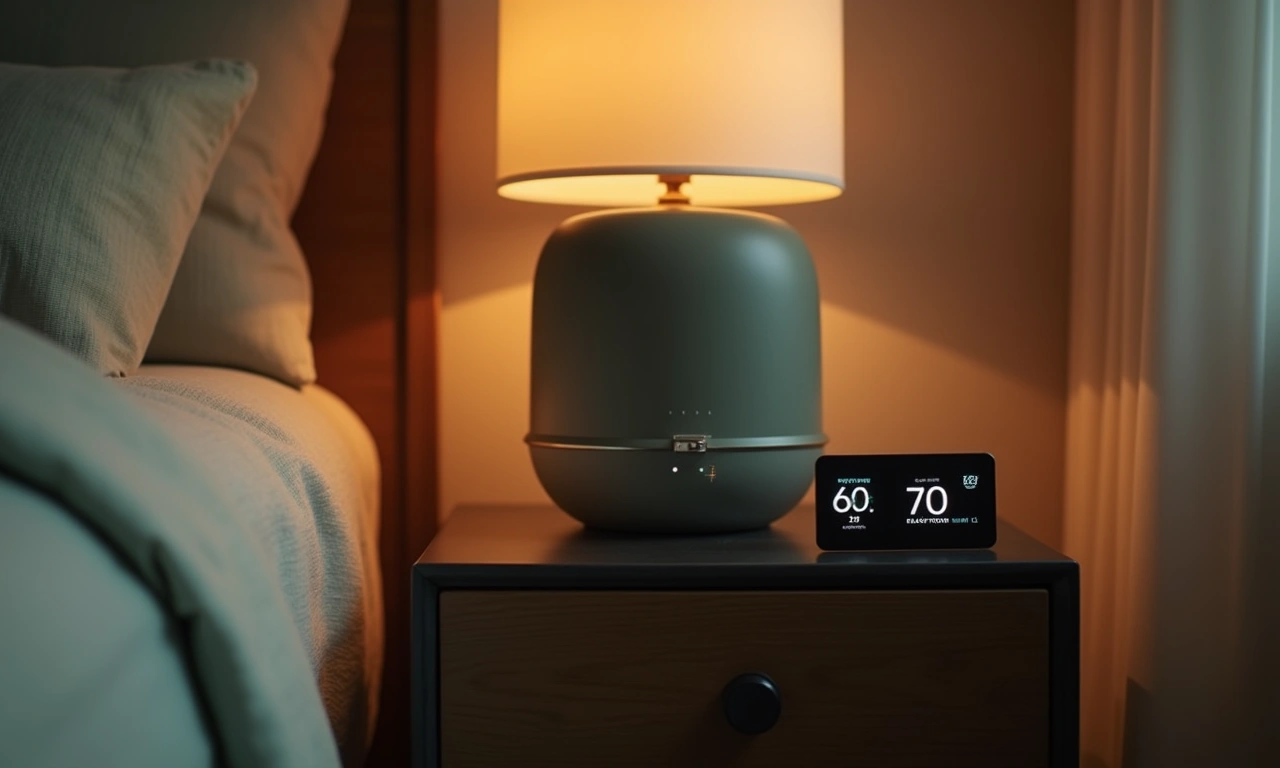
The winter protocol requires three hardware adjustments. A bedroom humidifier targeting 50% relative humidity eliminates the airway inflammation behind winter sleep fragmentation.
A programmable thermostat dropping to 66 degrees at 9pm triggers deep sleep onset. A 10,000-lux light therapy lamp helps too. Used within 30 minutes of waking, it re-anchors the circadian clock regardless of daylight.
The Saatva adjustable base is the fourth intervention. Its 30-degree head elevation reduces nasal congestion from winter dry-air inflammation. That inflammation is the top cause of fragmentation humidification alone does not fix.
Westchester winters reduce daylight to 9.1 hours, suppressing the morning cortisol awakening response and delaying the circadian clock. Forced-air heating lowers bedroom humidity below the optimal 45–55% range, increasing upper airway resistance and sleep fragmentation. The combined effect reduces Gold Coast executive deep sleep by 18–22% from summer baseline.
The optimal sleep temperature range is 65–68 degrees Fahrenheit. Westchester Tudor estates heated to 72+ degrees suppress core body temperature cooling — a prerequisite trigger for Stage 3 NREM onset. A programmable thermostat dropping to 66 degrees at 9pm is the minimum winter protocol adjustment.
Yes. The Saatva adjustable base's zero-gravity head elevation reduces nasal congestion caused by winter dry-air inflammation — a leading cause of winter sleep fragmentation among Westchester commuters. The independent dual-zone system also eliminates partner thermal mismatch, which worsens in winter when partners disagree on bedroom temperature.
Institutional Integrity
This brief was produced by the Westchester Zen Editorial Board. All data references peer-reviewed literature published 2024–2026.
Affiliate links to Saatva do not influence protocol recommendations. Full disclosures →