Stop Paying Whoop and Your $500 Wearable Goes Dark. Oura Just Locks the Data.
Executive Briefing
Bottom Line: Whoop hardware stops functioning entirely the moment a membership lapses. Oura's ring keeps working but hides most of what it measures. Neither company discloses this on the product page you buy from.
Metric: 39% of consumers canceled a paid streaming subscription in the prior six months. That's per Deloitte's 2025 Digital Media Trends survey. The same appetite for cutting recurring charges is now landing on wearables.
Access: Review the Resilience Protocol.
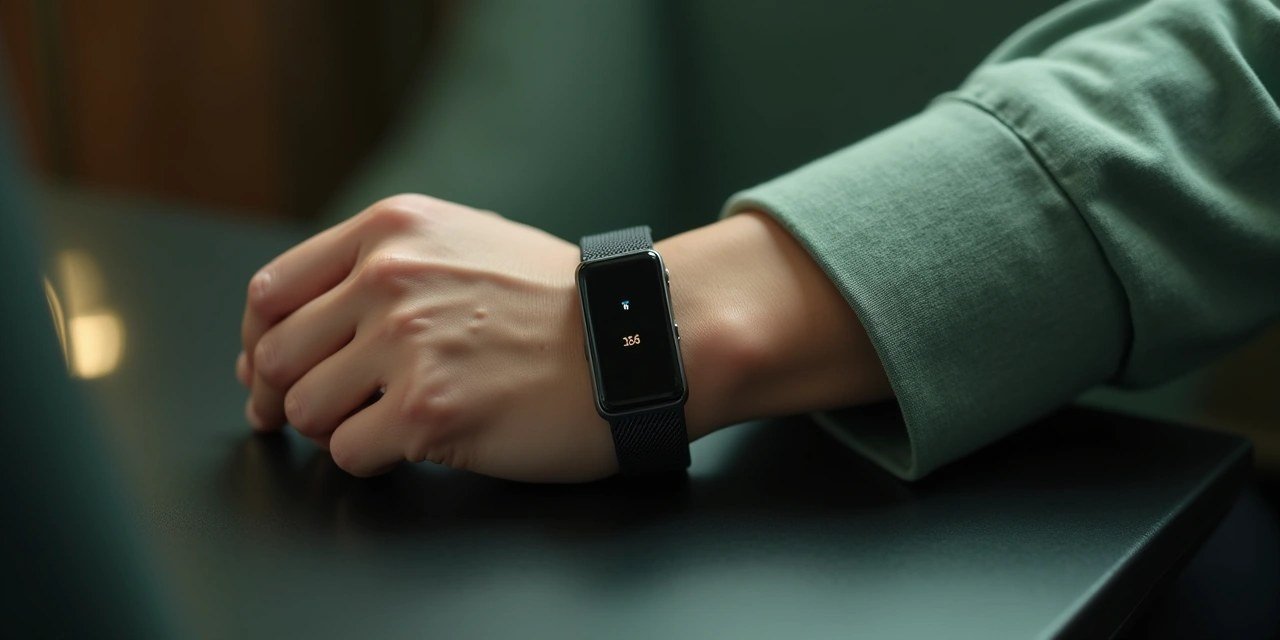
Cancel a Whoop membership and the device goes dark. It stops tracking sleep, stops reading heart rate, stops doing anything at all. The company says so directly: the hardware carries no value without an active subscription.
Cancel an Oura membership and the ring keeps spinning. But historical sleep stages, HRV trends and temperature data disappear behind a paywall. An executive paid $349 to $499 to generate that data.
That history stays on Oura's servers. It's not visible again until the card is charged.
Neither company buries this in fine print. Both put it in writing, on their own support pages. What changed across 2025 and 2026 is that customers started reading it.
The $49 Fee That Broke a Promise
In May 2025, Whoop launched its 5.0 hardware. It gave existing members two options. They could pay a one-time upgrade fee: $49 standard, $79 for the EKG version.
Or they could extend the subscription by 12 months to get the device free. That contradicted a promise on Whoop's own site. Members with six months of tenure were promised free hardware upgrades, no fee attached.
TechCrunch reported the discrepancy on May 11. The backlash arrived within hours.
"Upvote this if you just canceled your subscription." — the top post on r/whoop the week the upgrade policy broke, reported at roughly 2,400 upvotes by TechRadar and Slashdot.
Whoop reversed course four days later. Anyone with more than 12 months left on their plan got the 5.0 for free. Those who'd already paid got a refund instead.
Members with less time could extend to get the same deal. Whoop said, "we heard your feedback," in its statement. It also said an earlier blog post had "incorrectly stated" the terms.
That's a careful way of admitting the original promise existed. The walk-back was a business decision, not a typo.
The Whoop Backlash Number
The thread's title, "Upvote this if you just canceled your subscription," said it plainly. It gathered roughly 2,400 upvotes. That made it one of dozens of highly ranked posts against the company that week.
TechCrunch broke the upgrade-fee story on May 11, 2025.
What Oura Actually Locks When You Cancel
Oura's version of lock-in is quieter, and in one sense more defensible. The ring costs $349 for silver or black, $499 for gold or ceramic.
It keeps functioning after a canceled membership. It does not go inert the way Whoop's band does.
What disappears is nearly everything worth tracking. Oura's membership page is direct about it. Without an active subscription, insights, personal health data and benefits become much more limited.
A lapsed member keeps three daily scores (Sleep, Readiness, Activity), plus battery level. Sleep-stage breakdowns, 24/7 heart rate and blood oxygen disappear from view. So do temperature trends and third-party integrations.
The underlying data is not deleted. Full access returns the moment a lapsed member resubscribes. That's a real difference from Whoop.
Whoop's tracking gap can't be recovered. Nothing gets recorded while its device sits idle.
Membership runs $5.99 a month, or $69.99 a year. That's required for the ring to do its job.
The Subscription Fatigue Backdrop
None of this is happening in isolation. Deloitte's 2025 Digital Media Trends survey tracked the trend. It found 39% of consumers canceled at least one paid streaming subscription over six months.
That churn rate climbs above 50% among Gen Z and millennials. Streaming and wearables are different categories. But the same appetite is now landing on Whoop and Oura.
It's a growing willingness to audit every recurring charge.
A wearable membership is a harder cut to make than a video app, though. Canceling does not just end a convenience.
It changes what a piece of hardware on your wrist actually does. That asymmetry is the story executives are only now noticing.
The Subscription Fatigue Number
39% of consumers canceled at least one paid streaming subscription in the prior six months. That figure rises above 50% for Gen Z and millennials. The numbers come from Deloitte's 2025 Digital Media Trends survey.
Wearable memberships are now facing the same scrutiny.
The Real Three-Year Cost, By Device
Marketing pages quote a device price, not a total cost of ownership. The gap between those two numbers is the point of this piece. Below is the three-year math for four devices a Westchester buyer is realistically choosing between.
Wearable Total Cost of Ownership — 3-Year Comparison (2026)
| Device | Hardware Cost | Required Subscription | 3-Year Total | Data Lock-In Severity | Cancellation Friction |
|---|---|---|---|---|---|
| Whoop 5.0 (Peak plan) | $0 (bundled, no standalone purchase) | $239/yr, mandatory | $717 | Severe — device inert without membership | High — all tracking stops immediately |
| Oura Ring 4 | $349–$499 | $69.99/yr ($5.99/mo), mandatory | $559–$709 | Moderate — data hidden, not deleted | Moderate — 3 basic scores remain visible |
| Garmin CIRQA | $199.99 | None | $200 | None | None — no subscription to lose |
| Apollo Neuro | $349 | None required (optional Sessions: $119.99/yr) | $349 (or $709 with optional Sessions) | None for core function | None — intervention works without a plan |
Whoop reflects the mid-tier Peak plan, the only way to acquire current-generation Whoop hardware. Oura range reflects Silver/Black versus Gold/Ceramic finishes. Sources: Whoop Support, Oura Membership, Garmin Newsroom, Sleep Foundation / Apollo Neuro.
The Whoop row has no hardware-only price because there isn't one, at any tier. The subscription is the product. The band is the accessory that ships with it.
The Case for the Less Capable Device
Garmin's CIRQA, a screen-free band launched in July 2026, will not out-coach a Whoop 5.0. It lacks Whoop's AI strain coaching and Oura's Advisor chat feature.
Reviewers have been straightforward about that gap. But it also cannot be shut off by a missed credit card charge.
A subscription price is not fixed. Promotional rates age out, and renewal pricing moves one direction. A $200 Garmin or a $349 Apollo Neuro, paid once, has a fixed total cost.
That cost doesn't move at all. The less capable device becomes the more rational purchase for a specific buyer. That buyer wants a wellness asset they own outright.
Not a rented service with a hardware deposit attached. Worse by feature count. Better decision for anyone ever surprised by a renewal notice.
What “Your Data” Actually Means in the Terms
Both Whoop and Oura describe the arrangement the same way in their support documentation. The company retains the data. What is conditional is the member's access to it.
Whoop's export tool lets an active member download a full CSV history at any time. Most subscribers never touch it until the cancellation screen is open.
Oura offers no equivalent bulk export in its consumer app. A lapsed member gets three basic scores back, nothing structured to take elsewhere.
An executive might treat HRV or sleep data as an input to real decisions. Think a training log going back years, or a conversation with an underwriter. For that executive, the distinction matters more than either sticker price.
Export before you cancel. Assume the company's server, not your phone, is the real system of record.
Before a Westchester Executive Buys One
Scarsdale and Rye households rarely think twice about $500 on hardware. They should think twice about a recurring charge tied to the device. It becomes furniture the day it lapses.
Ask three questions first. Does it work without the subscription? What disappears if it lapses?
Can the data be exported while active? Every maker publishes the answers. They're usually three clicks from a homepage nobody reads.
Most people don't look until they're trying to cancel.
See our related coverage on the best HRV monitor for high-pressure jobs. Also read the Apollo Neuro versus Whoop comparison. For a non-wearable alternative, see Calmigo versus Apollo Neuro for executives.
Next Move
Watch the renewal notice, not the launch keynote. Whoop and Oura's next real test is not a new sensor. It is whether 2026 and 2027 pricing holds steady.
The subscription-fatigue numbers Deloitte is tracking keep climbing. Imagine a wearable maker raises pricing with no better exit than a locked data promise.
That's the moment this stops being an occasional Reddit thread. It becomes a real reputational problem.
Insurers are already pricing wearable data into underwriting. See our coverage on how life insurers are pricing sleep and HRV data. That raises the stakes on who controls the underlying numbers.
For now, the fix is unglamorous. Read the cancellation terms before the purchase, not after.
Last updated August 2026. Not medical, legal, or financial advice. This article is editorial commentary on wearable pricing and data-access practice.
It's not a recommendation to buy or cancel any specific product. Pricing, subscription terms and data policies are set by each manufacturer and change without notice. Verify current terms directly with the manufacturer before purchasing.
Sources
- TechCrunch. "Fitness tracker Whoop faces unhappy customers over upgrade policy." May 11, 2025. techcrunch.com
- TechRadar. "Whoop subscribers can now get a free upgrade to the latest devices, after a huge user backlash." techradar.com
- Whoop Support. "Membership Pricing." support.whoop.com
- Whoop Support. "How to Export Your Data." support.whoop.com
- Oura. "Oura Membership." ouraring.com
- Deloitte. "2025 Digital Media Trends." deloitte.com
- Garmin Newsroom. "Meet CIRQA Smart Band: The Screen-Free Health and Fitness Tracker from Garmin." garmin.com
- Sleep Foundation. "Apollo Neuro Review 2026." sleepfoundation.org
- Apollo Neuro. "Apollo Sessions." apolloneuro.com
Frequently Asked Questions
The Whoop band stops functioning entirely. It does not track sleep, heart rate or recovery. Whoop states outright that the hardware carries no value without an active membership.
Your historical data stays stored on Whoop's servers and returns if you resubscribe. But nothing new gets recorded while the account is lapsed, and there is no gap-fill.
Whoop offers a CSV export tool for active members. That's the only way to keep a portable copy of your history before canceling.
The ring keeps working, unlike Whoop's hardware. But most of what it measures disappears from view. Oura's membership page says a lapsed account keeps three daily scores: Sleep, Readiness and Activity.
It also keeps battery level. Detailed sleep-stage breakdowns, 24/7 heart rate and blood oxygen vanish until you pay again. So do temperature trends and third-party integrations.
The underlying data is retained, not deleted. Full access returns immediately on resubscription.
Yes. Garmin's CIRQA smart band launched in July 2026 at $199.99. It requires no subscription of any kind.
Apollo Neuro, priced at $349, also functions fully without a subscription. Its optional $9.99-a-month Sessions plan adds advanced analytics. That's not required for the core stress-relief intervention.
Neither device matches Whoop's AI coaching or Oura's Advisor features. But neither can be shut off by a lapsed payment either.
Whoop's mid-tier Peak plan runs $239 a year. There's no way to buy the hardware outright. Over three years, that's a total of $717.
Oura Ring 4 costs $349 to $499 in hardware. It also requires a mandatory $69.99-a-year membership. That totals roughly $559 to $709 over three years.
Garmin's CIRQA is a flat $199.99 with no recurring cost. Apollo Neuro is $349 with no required subscription. Add the optional Sessions plan and it's roughly $709 over three years.
With Whoop, yes. Active members can request a full CSV export of their account history. They can do this any time through the app or web dashboard.
They should do this before canceling, since post-cancellation access is limited. Oura does not offer an equivalent bulk export tool in its consumer app.
A lapsed member only regains the three basic daily scores. There's no structured file to take elsewhere.
Editorial Integrity
WestChester Zen editorial content is research-based and independently produced. No sponsored placements shaped this article's findings.
Sources include primary manufacturer support documentation, corporate press releases and industry survey data. Full policy at disclosures.