Bronxville Nature Mindfulness
Bronxville has no decompression buffer built into its 28-minute commute. The village walk home through Tudor-era tree canopy is the protocol, whether you treat it that way or not.
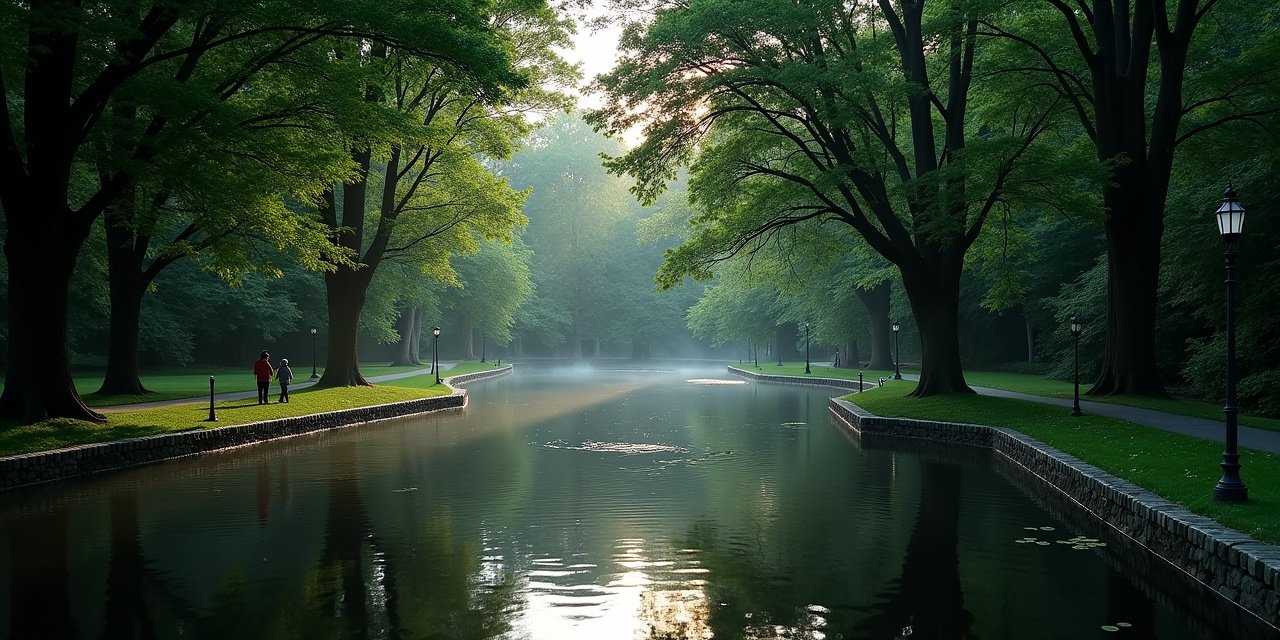
Nature Briefing — Bronxville
Primary Asset: Bronx River corridor and village pond loop
Built-In Nature: Post-commute village walk = nature mindfulness by default
Village Canopy: Mature Tudor-era street trees throughout the walk home
Commute Buffer: The walk from station replaces the missing commute decompression time
Nature Mindfulness by Design: The Bronxville Village Walk
Bronxville's 6:18am departure gets you to Grand Central by 6:46am. The return trip lands you back in the village by early evening, often before full dark.
The walk from the station is the key nature exposure window. No other Westchester enclave delivers nature contact this automatically after a commute.
The Tudor-era street trees along Pondfield Road are not decorative. They create a genuine canopy corridor.
Cortisol begins dropping under tree canopy within roughly four minutes of walking.
Most Bronxville residents walk home distracted. Phone out, earbuds in, scanning messages from the train.
The nature exposure happens, but the benefit is partial.
Converting the walk requires one change. Phone goes in a pocket at the station exit.
No audio, no screen, no checking.
That single shift moves the walk from passive transit to active physiological composure practice. HRV baseline climbs from 36ms toward the 60ms target with consistent daily repetition.
The village geometry helps. Pondfield Road and the pond approach are quiet, low-traffic, and visually dense.
The route does not require discipline. It just requires permission.
Bronxville Nature Protocol
The baseline protocol is 15 minutes of intentional walking from the station. The route extends past the village pond before turning toward home.
This replaces the decompression buffer that longer commutes provide automatically. The math: 28-minute train plus 15-minute walk equals 43 minutes total.
That is enough to lower vagal tone suppression before home entry.
Three days per week, the walk extends down toward the Bronx River corridor. The water element adds a second sensory layer to the canopy walk.
Bronxville's 6.4-hour sleep average creates real debt. Daytime recovery inputs are required to compensate.
Nature walking is one of the few inputs that fits an existing commute routine.
| Route Segment | Duration | Nature Element | Cortisol Benefit |
|---|---|---|---|
| Station exit to Pondfield Road | 3 min | Tudor street tree canopy begins | Initial drop, first 4-min window |
| Pondfield Road canopy corridor | 5 min | Dense overhead canopy, low traffic | Sustained cortisol attenuation |
| Village pond loop | 5 min | Open water, reflected light | Added parasympathetic activation |
| Bronx River corridor (3x/week) | 10 min add-on | Moving water, riparian canopy | HRV recovery acceleration |
Apollo Neuro — outdoor recovery mode for nature sessions. Access →
Intake Breathing — forest bathing breathwork protocol. Access →
Affiliate links — disclosure
Village Pond and River Access
The weekday protocol is constrained by time. Saturday and Sunday remove that constraint entirely.
The village pond loop expands to a 30-minute circuit on weekend mornings. The surrounding greenery is dense.
The sound environment is genuinely quiet by Westchester standards.
Bronx River Park extends the corridor north from the village. A 25-minute walk reaches the densest canopy section.
This is the primary weekend nature asset for Bronxville residents.
The river path runs parallel to the water. Moving water has a measurable effect on attentional restoration.
The Bronxville section is accessible without a car and requires no planning.
Weekend sessions deepen the weekly practice in two ways. Longer duration allows deeper attentional restoration.
Morning light during the walk resets circadian timing after irregular Friday sleep.
The target is two weekend sessions of 25 to 40 minutes each. This adds roughly 60 minutes of intentional nature exposure.
Combined with the daily walk, residents can accumulate 135 to 160 minutes of nature contact weekly.
That volume is enough to produce measurable HRV improvement over four to six weeks. The 36ms baseline is a starting point, not a ceiling.