HRV Biofeedback for Executives: The Home Protocol
Executive Briefing
Bottom Line: Biofeedback is tracking plus a real-time loop. The loop is the part most people skip.
Protocol: 10 minutes daily, paced breathing at 5–6 breaths per minute, watching HRV respond live.
Access: Apollo Neuro: WZ Executive Protocol.
Most HRV devices just track. Biofeedback adds one step: watching the number move in real time while you actively try to shift it. That loop, not the measurement alone, is what trains the nervous system.
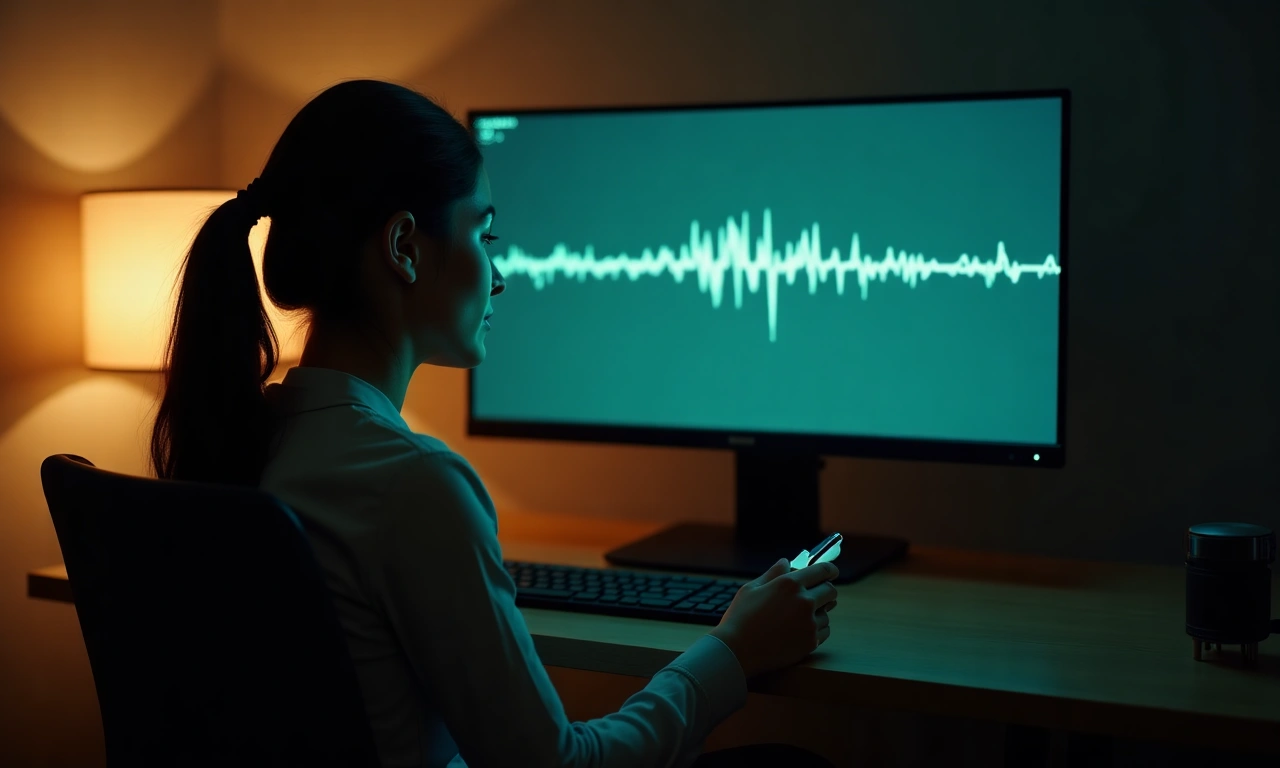
Tracking vs. Biofeedback
A wearable that shows you yesterday's HRV is tracking. A device or app that shows your HRV moving second by second, while you adjust your breath to influence it, is biofeedback.
The distinction matters because tracking alone doesn't train anything. It's a mirror. Biofeedback is a mirror you can argue with.
The Home Protocol
- Sit quietly with a device or app that shows real-time HRV.
- Breathe at 5–6 breaths per minute — roughly a 5-second inhale, 5-second exhale.
- Watch the number. Don't force it; let the slower breathing rate do the work.
- Continue for 10 minutes.
- Repeat daily. Measurable autonomic regulation improvement typically appears within 4–6 weeks.
The Evidence Behind It
HRV biofeedback has a real research base, not just a plausible mechanism. A 2020 systematic review and meta-analysis (Lehrer et al., published in a peer-reviewed journal) synthesized dozens of HRV biofeedback trials across emotional and physical health outcomes and found a significant overall benefit, with anxiety among the measured outcomes.
That's a different evidence tier than most wearable marketing claims on this site's comparison pages — a published systematic review, not a single small pilot or an unverifiable press figure. It's also why this protocol, not a device purchase, is the first thing we'd recommend to a reader on a budget.
Where a Clinic-Grade Session Differs
A clinical biofeedback session adds a trained practitioner reading the pattern and adjusting coaching in real time. The home version trades that coaching for repetition — daily practice compensates for the missing expert in the room, for most readers' purposes.
For a continuous, passive alternative that doesn't require a dedicated session, see our Apollo Neuro review — a different mechanism (touch-based vibration, not a practiced breathing skill) aimed at the same underlying goal, though its own most-cited efficacy figures could not be independently verified.
Frequently Asked Questions
Tracking passively records your HRV number. Biofeedback shows you that number in real time while you actively adjust your breathing to move it, closing the loop between action and result in the moment, not the next morning.
No. A consumer HRV device with a real-time display, paired with paced breathing at 5-6 breaths per minute, replicates the core mechanism a clinical biofeedback session uses, without the appointment.
A typical home session runs 10 minutes. Daily practice at that length shows measurable autonomic regulation improvement within 4-6 weeks.
Yes. A 2020 systematic review and meta-analysis (Lehrer et al.) synthesized dozens of HRV biofeedback trials across emotional and physical health outcomes and found a significant overall benefit, with anxiety among the measured outcomes.
That's a stronger evidence tier than most single-pilot wearable marketing claims.
Editorial Integrity
Apollo Neuro affiliate links are disclosed per FTC guidelines. This is not medical advice; the protocol described requires only a device capable of real-time HRV display.
Full policy at disclosures.