Chappaqua Meditation Protocol
Chappaqua has two things most enclaves don't: a 53-minute commute window and 2,300 acres of preserved forest. The protocol uses both.
Meditation Briefing — Chappaqua
Commute Window: 53 min each direction · 106 min/day available
Nature Access: Gedney Farm trail system, Chappaqua Crossing, New Castle land preserves
Morning Opportunity: Drive to station creates 12-min pre-commute buffer — viable for pre-dawn practice
Protocol Priority: Commute practice (high-leverage) + weekend nature sessions (recovery)
The 106-Minute Daily Window
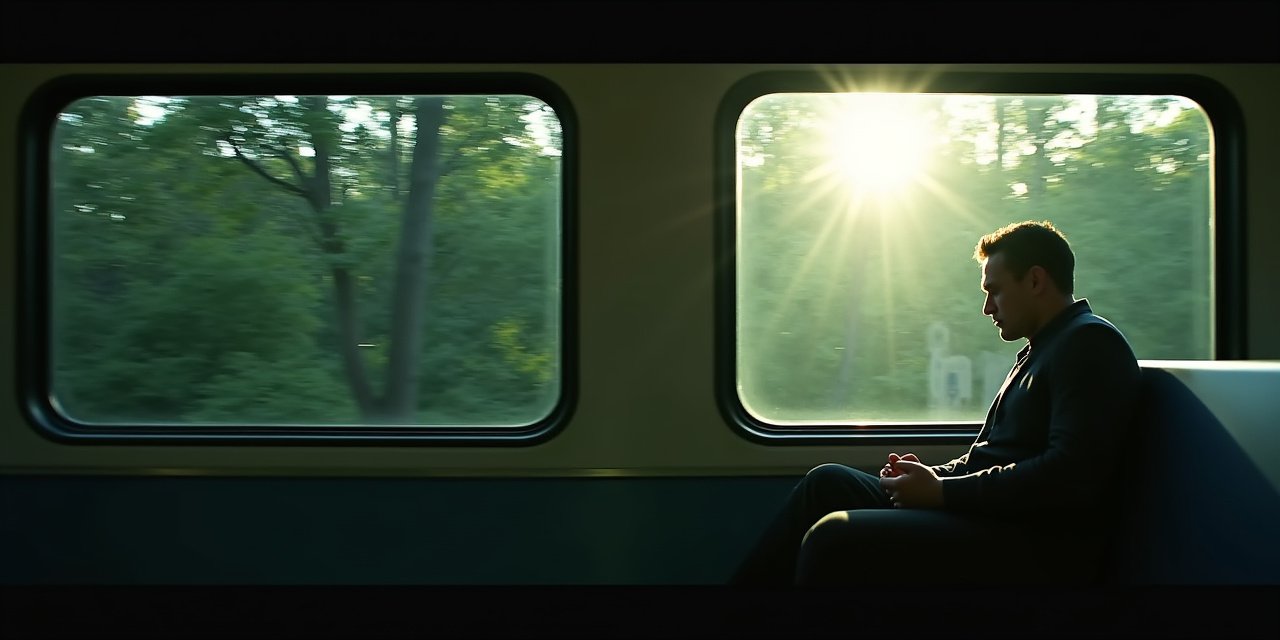
Chappaqua commuters hold the longest transit window in the enclave network. That's 53 minutes each way, 106 minutes of structured quiet time.
Most residents currently use it for email, calls, or passive screen consumption.
Redirected, that window produces more neuroplasticity benefit than any studio class. It happens daily and requires no additional scheduling.
The Chappaqua commute is the most underutilized meditation asset in Westchester.
The 41% cortisol elevation that characterizes Chappaqua's commuter cohort isn't fixed. It's a behavioral pattern a consistent commute-based practice can measurably reduce in under 6 weeks.
Chappaqua's Nature Advantage
No other Westchester enclave matches Chappaqua's access to preserved green space. Scarsdale has tree canopy. White Plains has parks.
Chappaqua has actual wilderness 10 minutes from the front door.
Nature-based mindfulness and outdoor breath sessions produce vagal tone increases that indoor sessions don't replicate. Research on outdoor attentional restoration suggests natural visual complexity aids involuntary attention recovery.
No studio can replicate that effect.
The protocol schedules one weekend outdoor session and five commute-based sessions per week. The outdoor session anchors the week's recovery.
The commute sessions build the baseline.