Best Vagus Nerve Stimulators for Executives: 2026 Device Matrix
Four Devices, Four Different Claims
| Device | Mechanism | Wear location | Strongest published evidence |
|---|---|---|---|
| Apollo Neuro | Touch-based vibration | Ankle or wrist | marketing claim, not independently verified against a published RCT |
| Truvaga Plus | Transcutaneous electrical (handheld) | Neck, on-demand | Company claim: 90% of participants showed vagus activation |
| Sensate | Infrasonic resonance | Chest, lying down | Company pilot studies (Lisbon n=24, Maastricht n=25) |
| Pulsetto | Vibration/electrical (marketed as VNS) | Neck | No device-specific trial identified |
See full citations in each device's dedicated review, linked below. This table leads the article on purpose: the mechanism differences matter more than any single score.
Executive Briefing
Bottom Line: "Vagus nerve stimulator" covers four genuinely different mechanisms. Picking by category name alone is a mistake.
Accuracy note: Apollo Neuro is touch-based vibration, not an electrical VNS device like Truvaga or Pulsetto. We flag this distinction throughout.
Access: Apollo Neuro: WZ Executive Protocol.
"Vagus nerve stimulator" gets used as one category online. It isn't one category. It's four different physical mechanisms wearing the same marketing phrase.
Confusing them leads to the wrong purchase. A handheld on-demand device and an always-on ankle wearable solve different problems, even if both mention the vagus nerve.
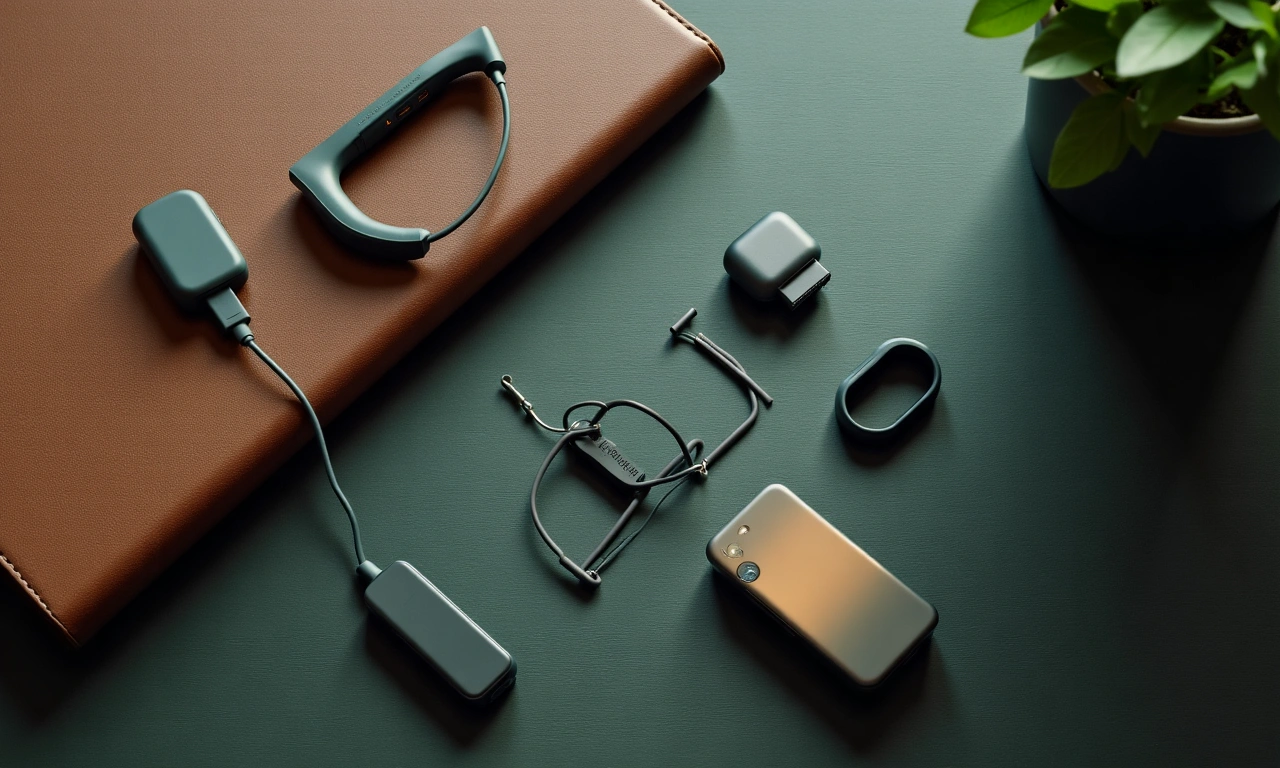
Apollo Neuro: Touch-Based, Not Electrical
Apollo Neuro delivers vibration frequencies through the skin, worn at the ankle or wrist. It is not an electrical stimulation device.
A "2024 randomized controlled trial of 203 participants, 41% reduction in peak anxiety episode intensity" claim circulates widely for Apollo Neuro, including in earlier drafts of our own coverage. We could not independently verify it against a published trial, and it does not appear on Apollo's own research page.
Full review: Apollo Neuro vs. Whoop.
Truvaga Plus: Handheld, On-Demand, Company-Reported
Truvaga Plus is a handheld device held to the neck for short sessions, not a continuous wearable. electroCore, its maker, states that "the Truvaga technology successfully stimulated the vagus nerve in 90% of participants" — a company claim, not an independently replicated figure, and the page gives no sample size for it.
Truvaga also cites Nonis et al. 2017 (Cephalalgia) on vagus nerve activation from non-invasive stimulation generally. That paper supports the mechanism category. It does not, on its own, establish the 90% figure as drawn from that specific study.
Full review: Truvaga vs. Apollo Neuro.
Sensate: Chest-Worn, Requires Lying Down
Sensate is a smooth stone-shaped device worn on the chest while reclining, not something usable at a desk or in a meeting. Two small company-sponsored pilot studies back it: a 24-participant Lisbon study (single 20-minute session, 80% rated the experience "excellent or very good") and a 25-participant Maastricht study (14 days of daily use, participants reported an average of one extra hour of sleep per night).
Both studies are small, company-funded, and not independently peer-reviewed. Treat the figures as preliminary, not conclusive.
Full review: Sensate vs. Apollo Neuro.
Pulsetto: No Device-Specific Trial Found
Pulsetto is marketed hardest on the "vagus nerve stimulation" phrase of the four, and has the weakest documentation behind it. We found no published trial of the Pulsetto device itself, independent or company-sponsored.
Full review: Pulsetto vs. Apollo Neuro.
The Executive Filter: Can You Use It During the Workday
Set the evidence aside and ask one practical question: does the device work while you're sitting in a meeting?
- Apollo Neuro — yes. Worn continuously, concealed under clothing.
- Truvaga Plus — briefly, before or between meetings. Not worn continuously.
- Sensate — no. Requires lying down, so evening or home use only.
- Pulsetto — visible at the neck, impractical mid-meeting, and unproven regardless.
None of the four clear a metal detector. For a courthouse or security-screened venue, see our discreet anxiety device decision protocol, which routes detector-context readers to a non-electronic technique instead of pushing hardware that won't make it through screening.
Frequently Asked Questions
Apollo Neuro uses touch-based vibration, not electrical stimulation.
It markets itself around autonomic nervous system effects rather than being branded a VNS device, unlike Pulsetto, Truvaga, or Sensate.
We could not independently verify a 2024 Apollo Neuro RCT matching the figures cited for it elsewhere online. Truvaga cites a 90% vagus-activation figure from its own marketing material. Sensate publishes two small company-sponsored pilot studies. Pulsetto has no device-specific published trial identified.
None of these four devices are detector-safe, so for a courthouse, airport security, or similar venue, a non-electronic technique like the physiological sigh is the only option that clears security.
Editorial Integrity
Apollo Neuro is a Westchester Zen affiliate partner, disclosed per FTC guidelines. Pulsetto, Truvaga, and Sensate are not affiliate partners; this comparison is editorially independent and non-affiliate products are held to the same evidentiary bar.
Full policy at disclosures.